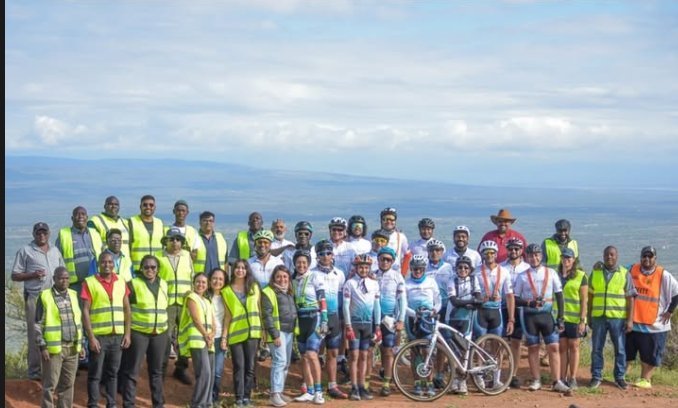
The view riders earn along the way — a Rift Valley escarpment stop
Essential information for riders joining us from outside Kenya. Most of our rides and excursions start from Nairobi, so this guide is written with that in mind.
Visit a travel clinic well in advance of your trip (at least a month) for vaccinations based on your health history and the areas you'll be cycling through. Common recommendations include:
Malaria prophylaxis: discuss antimalarial medication with your doctor, as malaria is present in some parts of Kenya.
Travel health insurance: get comprehensive cover that includes medical evacuation in case of emergencies.
Visa: check your country's requirements — most nationalities can get an e-Visa online beforehand.
Passport: make sure it has at least 2 blank pages and 6 months of validity beyond your travel dates.
Electronic Travel Authorisation: Kenya's eTA system determines your eligibility to travel. Apply at least 3 days before you travel — it's valid for 90 days.
Bringing your own bike: a brand-new bike or equipment may be charged duty on arrival. It's advisable to ride your bike a few times before entering the country, and to bring the purchase receipt (or a photo of it) to ease things on exit.
Kenya's terrain varies more than most riders expect:
Where possible, we plan itineraries with a gradual ascent between elevations to help your body adjust. Stay hydrated, take rest breaks, and tell your ride captain if you notice headaches, dizziness or nausea.
This is a general guide. Always consult your doctor for personalised health advice, check official government sources for the latest immigration requirements, and ask us directly for anything specific to your itinerary — including logistical or hotel assistance before or after your ride.